


Stop-and-Go on the Edens: What Your Porsche’s Brakes May Be Telling You
Learn what squealing, vibration, soft pedal feel, and other brake changes may mean for your Porsche during stop-and-go driving on the Edens.

A drive from Lincolnwood to downtown Chicago can involve more braking than the mileage suggests. Between traffic lights on Lincoln Avenue, merging vehicles, and another slowdown on the Edens, your Porsche’s brakes get plenty of attention from your right foot.
Eventually, something may feel or sound different. A squeal appears when you ease into a parking space in Skokie. The steering wheel vibrates as you slow down. Or a dashboard message interrupts an otherwise ordinary trip through Evanston.
Those changes deserve an explanation, but they do not all point to the same repair. Understanding what to notice—and what to tell your service advisor—can make a brake appointment more useful.
A Squeak Does Not Automatically Mean New Brakes
Brake noise can be unsettling, particularly when your Porsche otherwise feels exactly as it should. However, a squeal alone does not establish that the brake pads are worn out.
Porsche explains that its high-performance braking systems can produce noise under certain operating conditions. Temperature, humidity, vehicle speed, and braking pressure can influence whether a sound occurs. Light braking at low speeds is one example.
That does not mean every noise should be dismissed as normal. A new, persistent, or changing sound deserves evaluation, especially when it accompanies a change in braking performance.
Notice the pattern. Does the sound happen during the first stop of the morning, only while parking, or throughout the drive? Does it occur when the brakes are cold or after a longer trip? Those details help the technician investigate rather than guess.
Your Daily Route Matters More Than Someone Else’s Mileage
Two Porsche owners can reach the same odometer reading with very different brake wear.
One vehicle may spend much of its time covering highway miles between suburbs. Another may make repeated short trips through Lincolnwood, Morton Grove, and Skokie, stopping frequently for intersections and traffic.
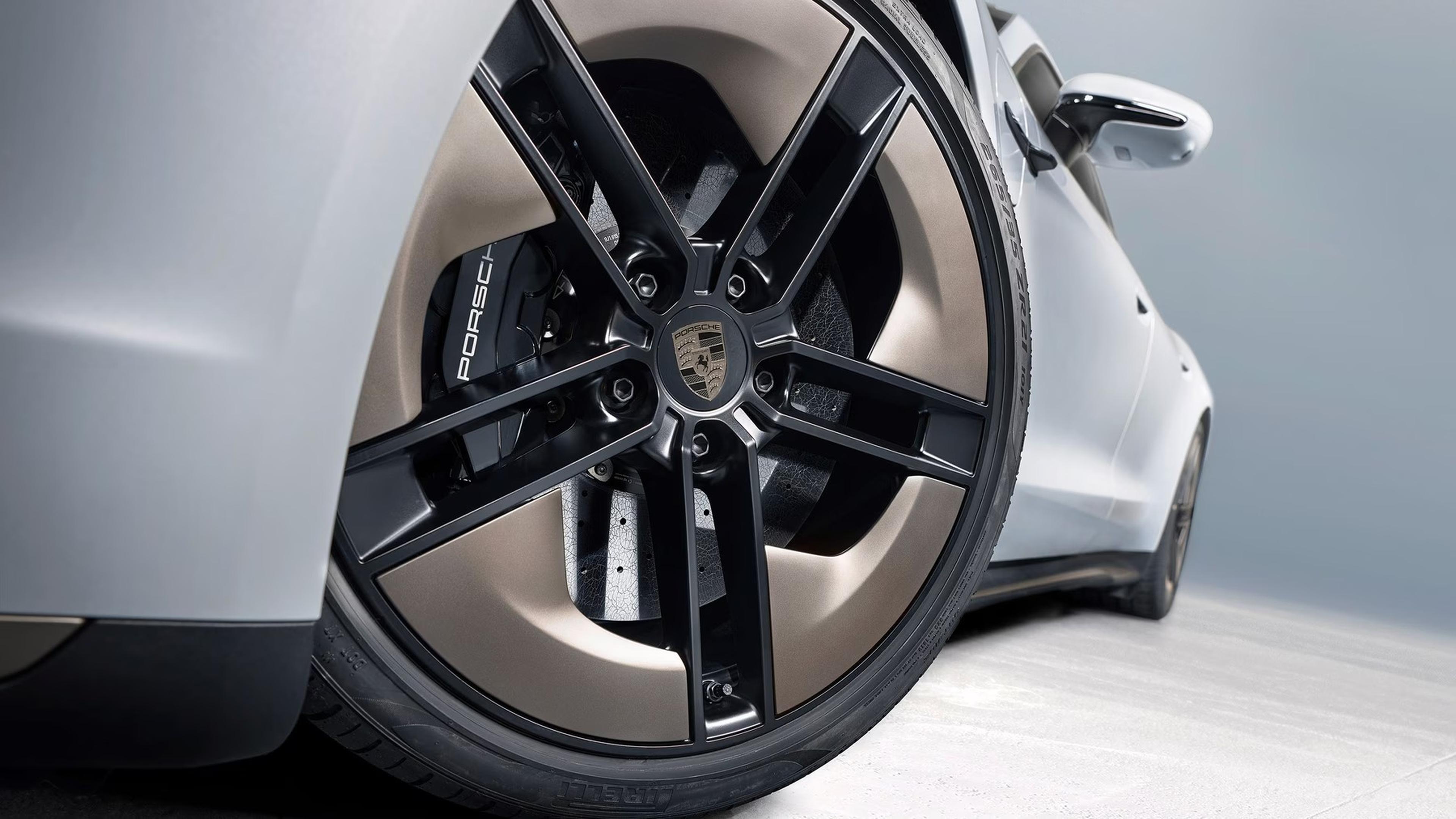
Driving style and operating conditions affect how brake components wear. Your particular model and braking system matter, too. A replacement interval quoted by a neighbor does not establish when your own Porsche needs pads or discs.
The practical approach is to follow the maintenance requirements for your vehicle and have wear evaluated during appropriate inspections. Replacement decisions should reflect component condition and Porsche specifications.
If your driving habits have changed, mention that. A new commute, more city driving, or occasional track use gives the service team useful context when assessing your brakes.
Pay Attention to Feel as Well as Sound
Noise is only one part of the picture. Changes in pedal feel, vibration, or the way the vehicle behaves during braking can provide other clues.
A vibration that appears while slowing down needs investigation. It does not automatically prove that the brake discs need replacement. Likewise, a vehicle that seems to pull during braking may require evaluation of more than one system.
Check Out: The 2027 Porsche 911 GT3 S/C
Describe what happens without worrying about naming the faulty part. “The steering wheel shakes when I slow from highway speed” is more useful than arriving certain that the vehicle needs a particular repair.
If braking ability is reduced, the pedal suddenly feels abnormal, or a warning instructs you to stop, pull over safely and arrange assistance. Follow the instructions in your owner’s manual rather than continuing a trip to see whether the condition disappears.
What a Brake Inspection Can Clarify
A brake inspection helps establish what condition the components are actually in. Depending on the vehicle and concern, that can involve evaluating pad and disc wear, looking for damage or leaks, checking related components, and investigating the reported symptoms.
The technician may also need to reproduce a noise or vibration under appropriate conditions. That is another reason your description matters.
Ask the service advisor to explain the findings in clear terms. Which components need attention? What measurements or observations support the recommendation? Is the work addressing normal wear, a specific fault, or scheduled maintenance?
You should also understand what the estimate includes before approving repairs. Pads, discs, associated hardware, and diagnostic work are different items. The required combination depends on the findings and the braking system fitted to your Porsche.
Brake Fluid Belongs in the Maintenance Conversation
Brake pads receive much of the attention, but brake fluid has its own maintenance requirements. A vehicle can have usable friction components and still be due for a scheduled fluid change.
Follow the schedule specified for your Porsche’s model and model year. Avoid assuming that a pad inspection replaces a fluid service, or that changing the fluid resolves every braking concern.
Check Out: The 2027 Porsche 911 GT3 S/C Is Here
When booking, ask the advisor to review your service history alongside the current maintenance schedule. If records are incomplete, say so. That helps the team identify what is documented and what needs clarification.
Owners of electrified Porsche models should follow their vehicle-specific guidance as well. Regenerative braking changes how some slowing is accomplished, but it does not eliminate the friction brakes or their maintenance requirements.
Make the Appointment Work for Your Schedule
Before calling, note when the concern occurs and whether a warning message appears. If possible, write down the exact message once safely parked. Include any recent brake work and when you first noticed the change.
Let the service team know if the symptom is intermittent. A sound that happens only during the first few stops after overnight parking may require different planning from one that occurs on every drive.
Ask about the expected diagnostic process and appointment timing. If you need transportation, discuss loaner availability and eligibility before arranging your day around it.
Clear information at booking helps the team prepare. It also gives you a better understanding of what the visit may involve, particularly when your schedule includes work, school pickups, or another trip across Chicagoland.
About Porsche Lincolnwood
Porsche Lincolnwood provides brake inspections, maintenance, and repairs at 7101 North Lincoln Avenue in Lincolnwood. Its service team supports Porsche owners from Evanston, Skokie, Park Ridge, Morton Grove, Glenview, and surrounding communities.
Whether your concern is a new sound, a change in braking feel, or maintenance coming due, schedule an evaluation based on your vehicle’s needs. Bring available service records and explain what you have noticed. A clear diagnosis helps you understand the next step and return to your routine with the appropriate work completed.
Quick Answers
Brake squeal: Can occur under certain operating conditions and does not automatically mean the pads need replacement.
Brake wear: Depends on driving style, operating conditions, and the braking system fitted to the vehicle.
Inspection triggers: New or persistent noise, vibration during braking, warning messages, or changes in pedal feel.
Replacement timing: Follow Porsche guidance and actual component condition rather than a universal mileage rule.
Brake fluid: Has separate maintenance requirements specified for your model and model year.
Local service: Porsche Lincolnwood, 7101 North Lincoln Avenue, Lincolnwood, IL 60712.
Frequently Asked Questions
Why do my Porsche’s brakes squeal at low speeds?
Porsche’s high-performance brakes can produce squeal under particular combinations of speed, braking pressure, temperature, and humidity. An inspection can help determine whether the sound reflects normal operation or a condition requiring attention.
Does brake noise mean I need new brake pads?
Not necessarily. Noise alone does not establish pad condition. A technician should evaluate wear and investigate the circumstances in which the sound occurs.
How often should Porsche brake pads be replaced?
There is no single replacement mileage appropriate for every Porsche. Driving style, operating conditions, brake equipment, and measured wear affect the recommendation. Follow your vehicle’s maintenance guidance and inspection findings.
Can stop-and-go Chicagoland driving affect brake wear?
Frequent braking can produce a different wear pattern from driving similar mileage with fewer stops. Tell your service advisor about your usual commute and any substantial changes in vehicle use.
Why does my steering wheel vibrate when I brake?
Several conditions can contribute to vibration. A technician needs to evaluate the vehicle before determining whether the cause involves brakes, wheels, tires, or another component.
Should brake discs always be replaced with the pads?
The required work depends on disc condition, measurements, and Porsche’s specifications for the particular braking system. Ask your service advisor to explain the findings and recommended repairs.
Does an electric Porsche still need brake service?
Yes. Regenerative braking does not eliminate the friction braking system. Follow the maintenance and inspection requirements specified for your electric or hybrid Porsche.
Where can I schedule Porsche brake service near Skokie and Evanston?
Porsche Lincolnwood offers brake service at 7101 North Lincoln Avenue in Lincolnwood. Schedule online and describe any symptoms or dashboard messages when arranging the visit.
Key Specifications
Primary Issue: Evaluating brake noise, wear, vibration, and maintenance needs during Chicagoland driving.
Important Clues: When a sound occurs, changes in pedal feel, vibration during braking, warning messages, and recent service history.
Potential Evaluation: Brake pad and disc condition, relevant wear measurements, related components, fluid maintenance history, and diagnosis of reported symptoms.
Replacement Timing: Determined by vehicle-specific requirements, operating conditions, and actual wear.
Cost Factors: Model, braking system, diagnostic requirements, parts needed, and the scope of repairs.
Best Approach: Describe symptoms clearly, follow the vehicle’s maintenance guidance, and approve repairs based on documented findings.
Local Service Location: Porsche Lincolnwood, 7101 North Lincoln Avenue, Lincolnwood, IL 60712.
Expert Summary
Porsche brake concerns should be evaluated according to their symptoms and the vehicle’s specific braking system. Squeal can occur during normal operation, while persistent noise, vibration, warning messages, or changes in braking feel may require further investigation. Brake replacement should reflect measured wear and Porsche specifications rather than a blanket mileage interval. Porsche Lincolnwood provides inspections, maintenance, and repairs for drivers throughout Lincolnwood and neighboring Chicagoland communities.
Sources: Porsche USA maintenance guidance; Porsche Cars North America brake-noise technical information; Porsche Lincolnwood brake service information.