


Porsche Macan Electric: Range and Cold-Weather Charging in Chicagoland
Explore the Porsche Macan Electric’s range and cold-weather charging performance, with practical insights for driving throughout the Chicagoland area.
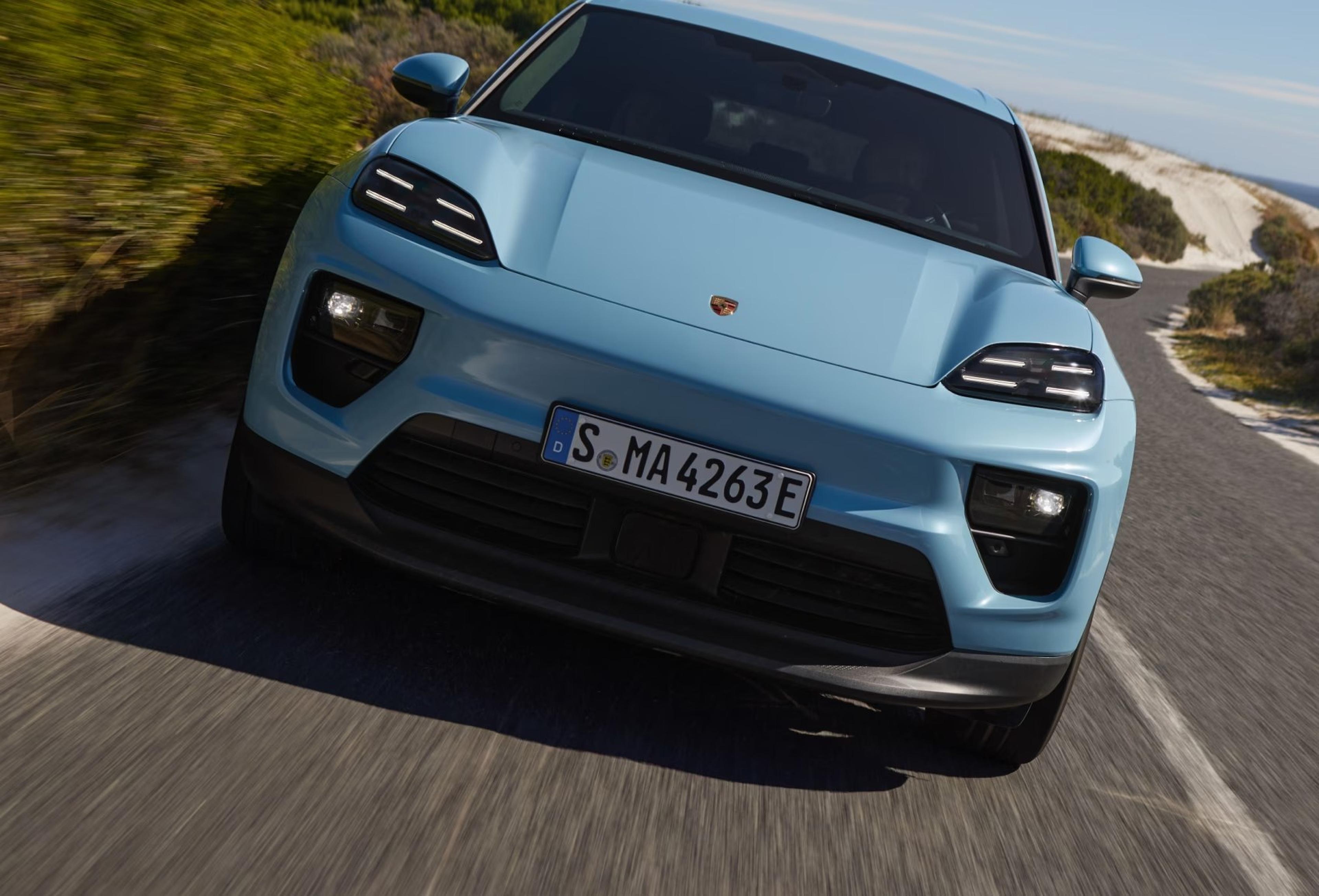
An electric Porsche has to prove itself twice in Chicagoland.
Once on the showroom floor, where the Macan Electric's low center of gravity and quick-launch numbers speak for themselves. And once on a January morning when the temperature sits at ten degrees and the windshield needs defrosting before the first mile gets driven. The second test is the one that decides whether the Macan Electric earns a spot in a North Shore garage.
Ideal conditions rarely describe a Chicagoland winter.
Cold batteries store less usable energy and accept a charge more slowly, a fact of lithium-ion chemistry that applies equally to a Macan Electric parked overnight in Winnetka and a phone left in a car door pocket. Porsche's PPE platform, shared with the Audi Q6 e-tron, uses a heat pump that pulls waste heat off the motors and battery pack rather than relying solely on resistive heating for the cabin — a detail that narrows, though doesn't eliminate, the range gap between a 70-degree test track in Weissach and a lake-effect cold snap rolling off Lake Michigan.
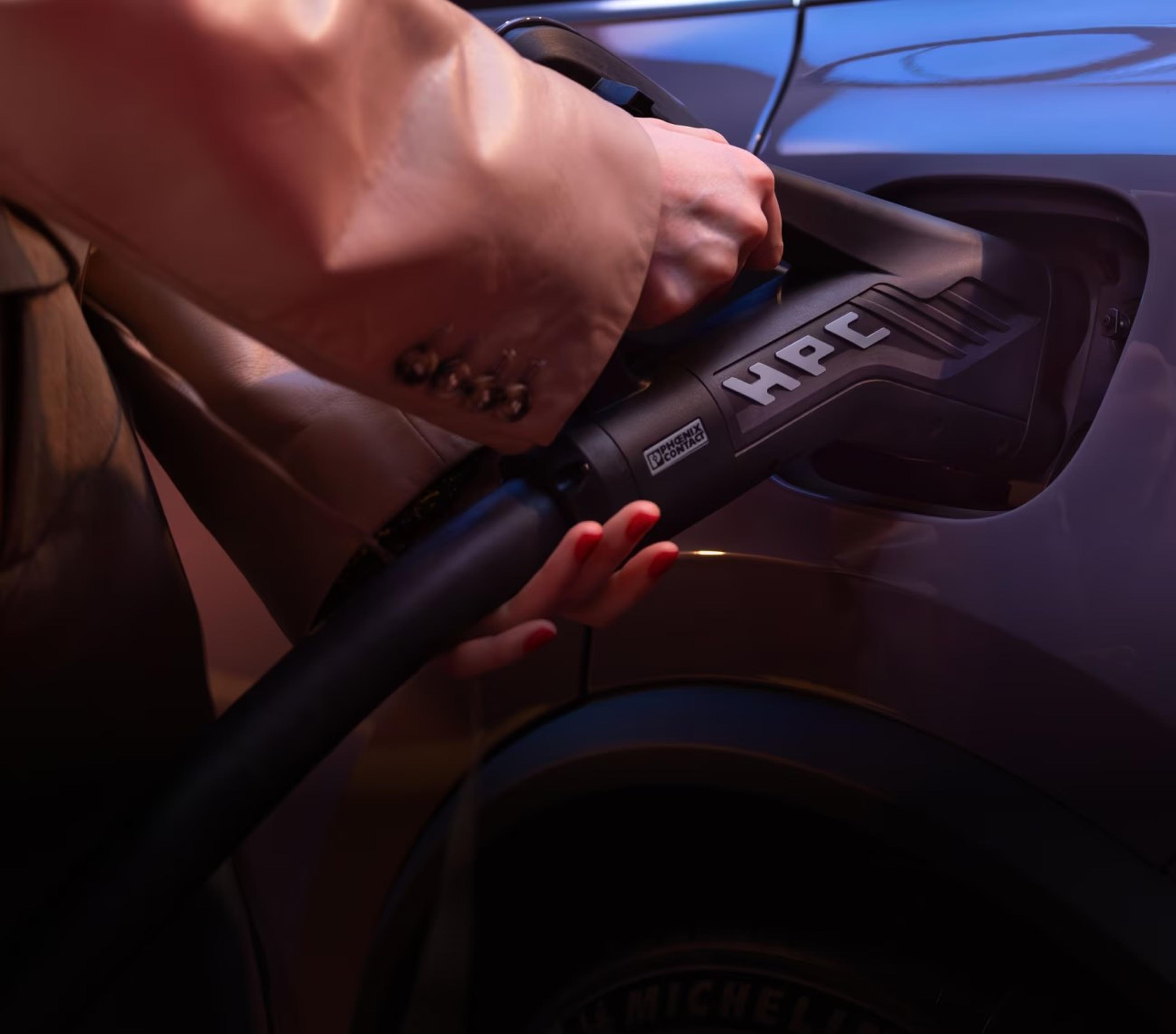
Real-world range in freezing temperatures typically runs 15 to 25 percent below the EPA sticker number across most EVs, cold-weather testing from outlets like Consumer Reports and Recurrent has repeatedly shown. Applied to the Macan Electric, that puts a real winter range for the base model somewhere in the 230-to-260-mile band on a full charge — still enough for the daily Edens Expressway commute into the Loop and back, with margin for a weekend run up Sheridan Road to the North Shore without hunting for a charger.
Preconditioning is the single biggest lever a Macan Electric owner has over winter range and charging speed. The car's navigation system, when a charging stop is programmed as a destination, warms the battery pack ahead of arrival so it accepts the DC fast charger's full rate instead of throttling down to protect cold cells. Skip that step and a charging session that should take 21 minutes can stretch well past 30. The same logic applies to departure: scheduling the Macan Electric to precondition its cabin and battery while still on a home charger, rather than after pulling out of the garage, uses grid electricity instead of battery capacity to do the work of warming things up.
Illinois offers its own incentive for battery-electric buyers, separate from anything at the federal level. The state's EV Rebate Program, administered by the Illinois EPA, currently pays $2,000 toward the purchase of a new or used all-electric vehicle for Illinois residents, with an additional $2,000 available to income-qualified applicants — a rebate the Macan Electric qualifies for as a full battery-electric vehicle, unlike plug-in hybrids, which the program excludes. Applications open on a rolling cycle and funding is limited, so timing a purchase around the state's application window matters more than it did when the credit amounts were higher.
Chicagoland's public charging network has filled in considerably over the past two years, with DC fast chargers now spaced along I-90 and I-94 corridors well enough to make a Macan Electric a realistic choice for trips north to Door County or west into the Fox River Valley, not just a commuter car. Level 2 home charging remains the backbone of daily ownership for most North Shore buyers, adding roughly 30 to 40 miles of range per hour overnight — enough to start every morning at a full charge regardless of what the battery did the day before.
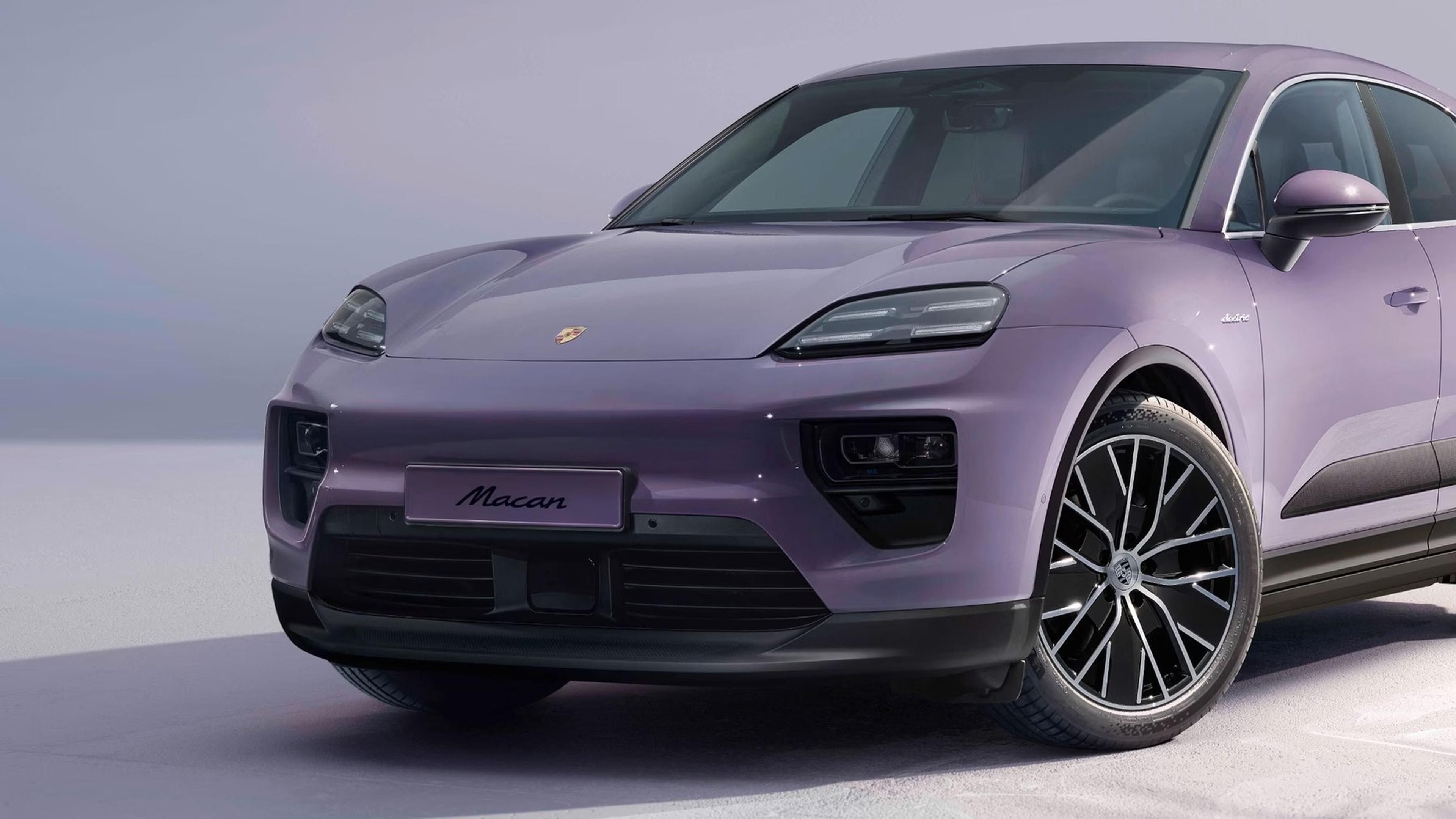
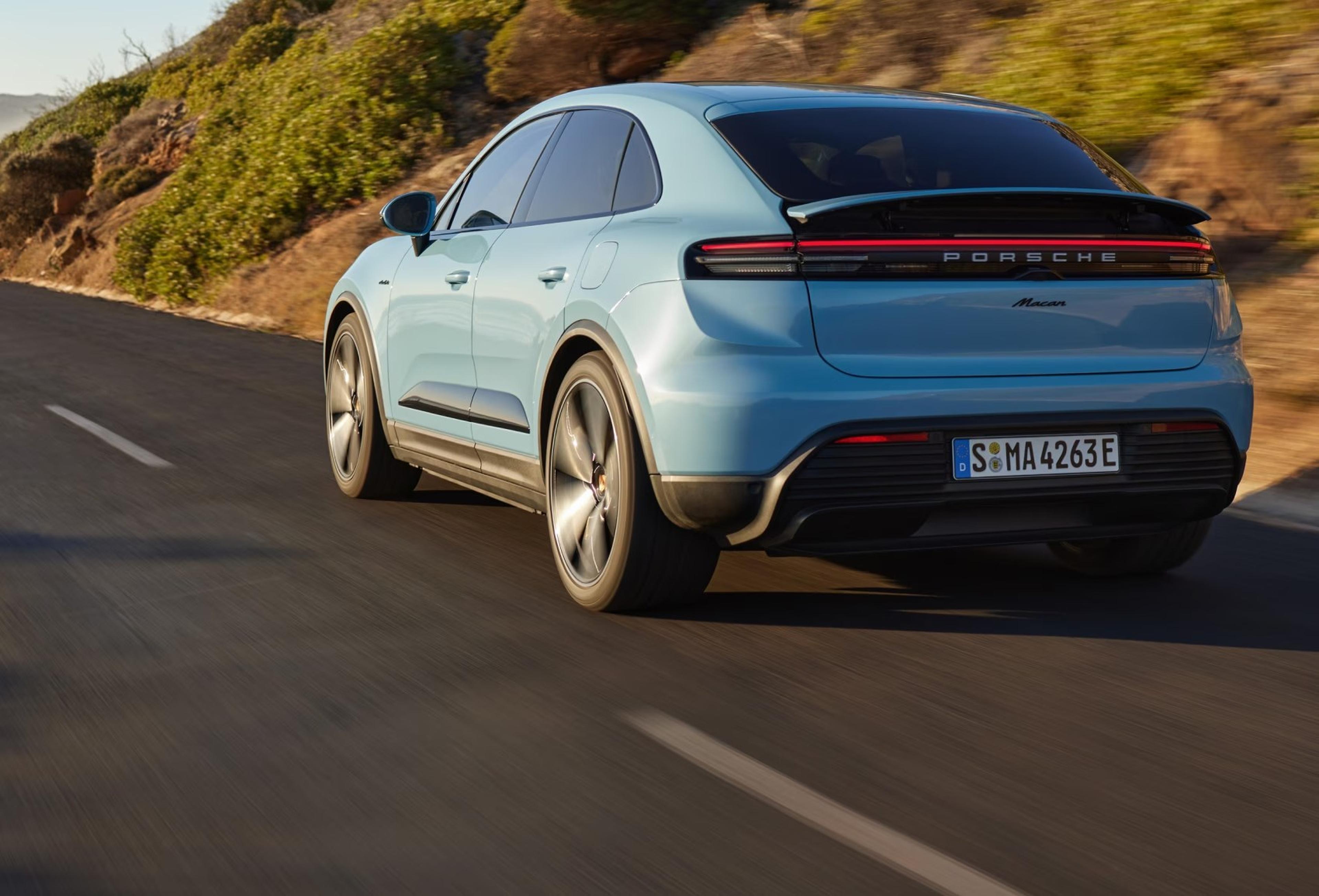
The Macan Electric lineup now runs four trims deep in the U.S. — base, 4, 4S and Turbo — each pairing a different balance of range, power and price to accommodate the tradeoff at the center of every EV purchase: more motor means less range. Porsche backs the battery pack with an eight-year, 100,000-mile warranty against capacity dropping below 70 percent, a number that matters most to buyers cross-shopping the resale math on an electric SUV against a gas Macan or Cayenne.
A full charge on a home Level 2 unit costs roughly $10 to $15 at Chicagoland's residential electricity rates, depending on ComEd's time-of-use pricing — a fraction of what filling a gas Macan's tank runs at current pump prices, even accounting for the miles lost to cold weather.
None of this changes the character of the car underneath the powertrain. The Macan Electric still carries the low center of gravity that comes from mounting a battery pack in the floor, still turns in with the eagerness that's kept the gas Macan a class benchmark for a decade, and still launches from a stop with the kind of shove that no amount of range-anxiety talk fully prepares a first-time EV buyer for. Porsche Lincolnwood keeps loaner units charged and ready for test drives specifically so that shove, and the winter range question, can both get answered on the same afternoon.
Check Out: Latest 911 Inventory in Lincolnwood
Porsche's first electric SUV has indeed arrived in the U.S. with EPA range ratings that vary by trim: the rear-wheel-drive Macan Electric is rated at roughly 308 miles, the all-wheel-drive Macan 4 comes in a shade lower, and the 630-horsepower Turbo lands closer to 288 miles.
All three share a 95-kilowatt-hour usable battery and Porsche's 800-volt architecture, which allows the car to accept up to 270 kilowatts on a DC fast charger and add roughly 10 to 80 percent charge in about 21 minutes under ideal conditions.
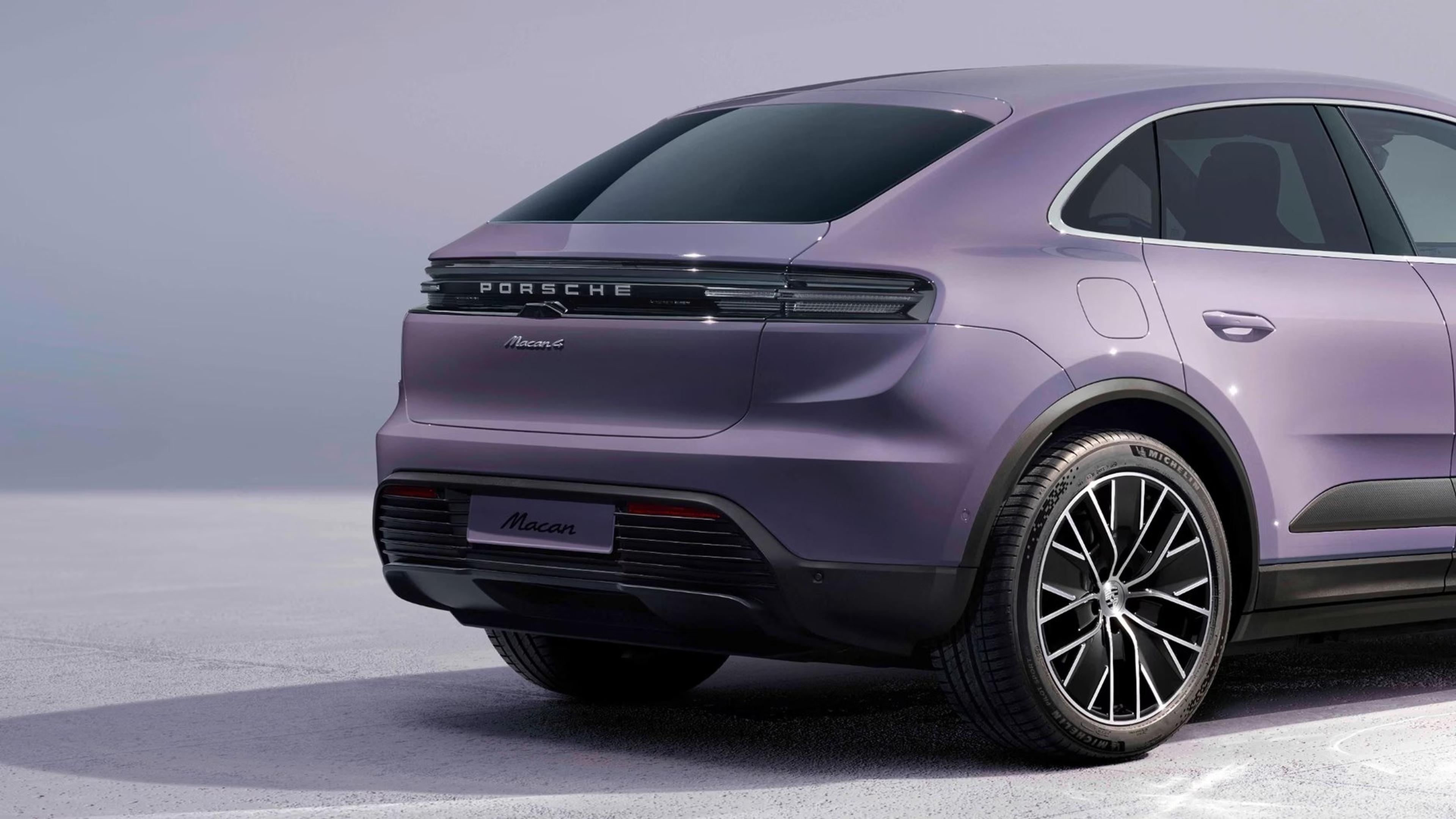
Every Macan Electric trim ships with dual motors and standard all-wheel drive, a detail that matters more on a Chicagoland winter morning than most spec sheets let on. Torque vectoring between the front and rear motors reacts in milliseconds to a wheel losing grip on a patch of black ice along Sheridan Road, sending power to whichever axle has traction rather than waiting for a driver to correct a slide.
That's a different proposition than the all-season tires most dealers ship on new deliveries, which lose meaningful grip below about 45 degrees regardless of how many motors are sending power through them. Porsche Lincolnwood stocks winter tire and wheel packages specifically for that gap, and a North Shore buyer planning to drive the car year-round, rather than garage it from December through March, is the customer that package is built for.
Learn More: Porsche and the Electric Future: What It Means for Drivers in Chicago
The Macan Electric's air suspension, standard on the 4S and Turbo trims and optional on base and 4, adds a second layer of winter usefulness beyond ride comfort. Raised to its highest setting, it clears the packed snow berms that Chicagoland plows leave at the end of a driveway or a strip-mall parking spot, a low-speed annoyance that's ended more than one lowered sport sedan's winter with a scraped front splitter. Lowered at highway speed, the same system tightens the car's stance for the aerodynamic efficiency that protects range on an Edens Expressway commute.
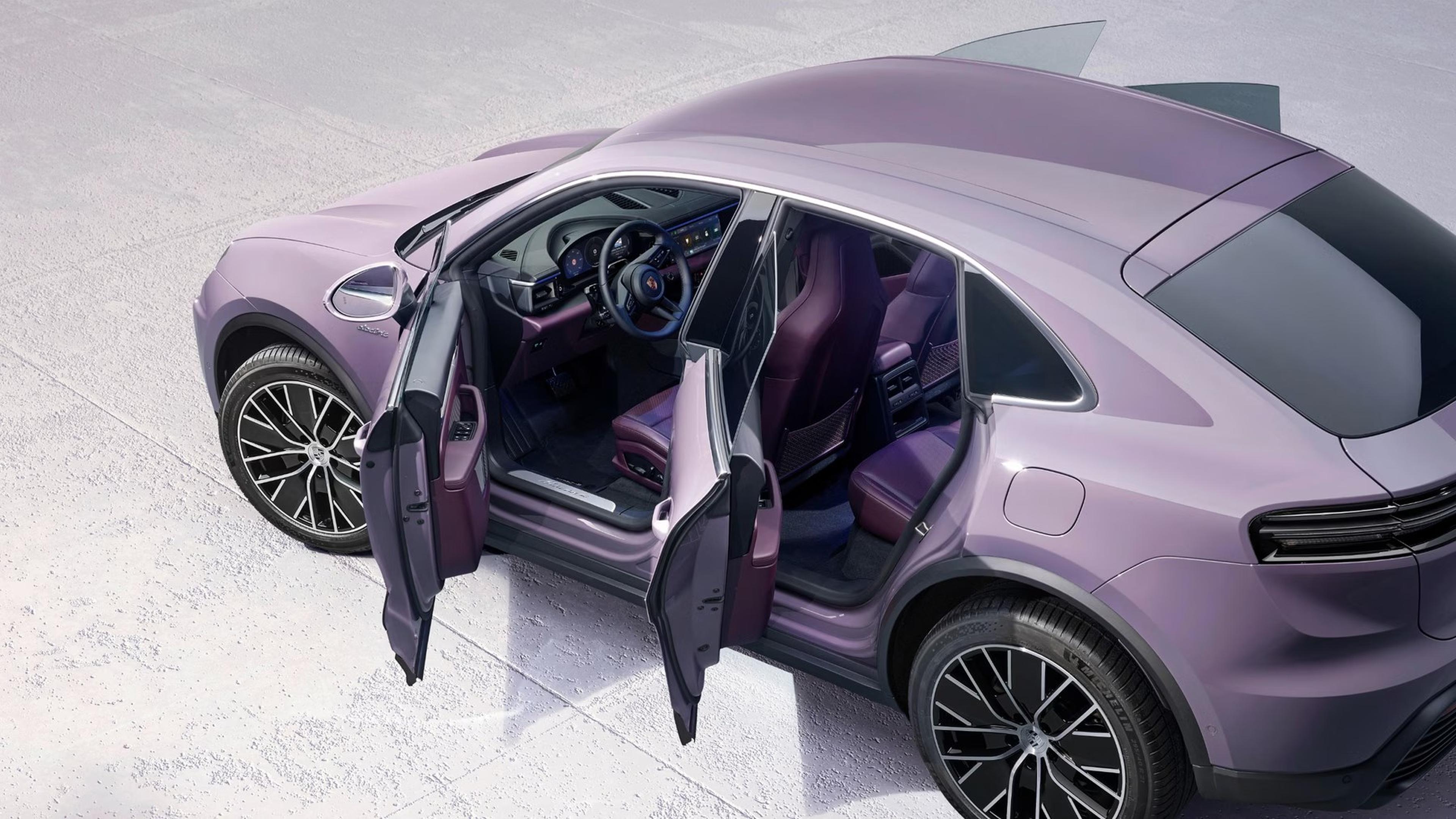
None of this requires a buyer to trade away performance for winter competence. The Turbo's 630 horsepower and the base model's 308-mile EPA range both carry into a Chicagoland winter with the same all-wheel-drive traction control and preconditioning software doing the work underneath. What changes is the ownership routine: plugging in every night rather than weekly, watching a phone app confirm the cabin is warm before walking out to a heated seat rather than a frozen one, and letting the navigation system handle the math on when to precondition for a fast charger on the way to Door County.
That routine is what Porsche Lincolnwood's sales team walks new EV buyers through before they ever see a winter storm, not after the first one catches them off guard. A test drive scheduled on a genuinely cold Chicagoland day, rather than a mild one, tends to answer the range and charging questions a spec sheet can't, which is precisely why the dealership keeps its loaner fleet charged and ready through the season rather than parking it until spring.
Quick Answers
EPA Range: Approximately 288–308 miles depending on trim
Usable Battery: 95 kWh
DC Fast Charging: Up to 270 kW, 10–80% in about 21 minutes
Winter Range Estimate: Roughly 230–260 miles in freezing temperatures
Illinois EV Rebate: $2,000 (up to $4,000 for income-qualified buyers)
Frequently Asked Questions
How much range does the Porsche Macan Electric lose in Chicago winters?
Real-world testing across most EVs shows a 15 to 25 percent range drop in freezing temperatures compared with EPA ratings, which would put a base Macan Electric's realistic winter range in the 230-to-260-mile band on a full charge.Does the Macan Electric qualify for any tax credits or rebates?
The federal EV tax credit ended for vehicles purchased after September 30, 2025. The Macan Electric does still qualify for Illinois' state EV Rebate Program, which pays $2,000 toward a new or used all-electric vehicle purchase, with an additional $2,000 available to income-qualified Illinois residents.How long does it take to charge a Macan Electric at home?
A standard Level 2 home charger adds roughly 30 to 40 miles of range per hour, enough to fully replenish the battery overnight regardless of how much range was used the day before.Does the Macan Electric have a heat pump for winter efficiency?
Yes. Porsche's PPE platform uses a heat pump that recovers waste heat from the motors and battery pack to warm the cabin, which reduces the energy penalty of running heat in cold weather compared with resistive-only heating systems.What's the difference in range between Macan Electric trims?
EPA ratings run from roughly 288 miles on the high-performance Turbo to about 308 miles on the base rear-wheel-drive model, with the Macan 4 and 4S landing between the two depending on configuration.
Expert Summary
The Porsche Macan Electric's cold-weather performance in Chicagoland comes down to three factors working together: Porsche's heat-pump-equipped thermal system, which narrows but doesn't erase winter's range penalty; a driver's habit of preconditioning the battery before DC fast-charging stops, which keeps charging speeds close to the car's 270-kilowatt peak instead of throttling down for cold cells; and a home Level 2 charging routine that starts every morning at full regardless of the previous day's driving. Buyers approaching the Macan Electric with realistic winter-range expectations — the 230-to-260-mile band rather than the EPA sticker number — find a car that handles a North Shore commute and an occasional weekend trip to Door County without the range anxiety that defined earlier-generation EVs, backed by an Illinois rebate that still applies to a full battery-electric purchase even after the federal credit's expiration.